
Binge drinking refers to a pattern of drinking that brings BAC to 0.08% or higher in a short period. This typically occurs after females consume four drinks or more and males consume five drinks or more during a 2-hour period. Blood alcohol concentration (BAC) is the amount of alcohol in a person’s bloodstream.

Calling 911 and keeping your friend safe until help arrives is the first step to safely treating someone with alcohol poisoning. This article discusses the causes and symptoms of alcohol poisoning. It’s not necessary to have all the above symptoms before seeking medical help. A person with alcohol poisoning who has passed out or can’t wake up could die.
How Many Days Does it Take to Recover from Alcohol Overdose?
A BAC level above 0.40% increases the risk of serious complications, including coma and death. Anyone who consumes too much alcohol too quickly may be in danger of an alcohol overdose, also called alcohol poisoning. This is when BAC may increase to dangerous levels if the person does not receive emergency care. Binge or high-intensity drinking—drinking too much too quickly—can lead to significant impairment in motor coordination, decision-making, impulse control and other functions, according to the NIAAA.
- There are several common myths about treating alcohol poisoning.
- So, while it might only take four drinks for you to be legally intoxicated, it’d take quite a bit more to kill you.
- Your height and weight determine how quickly your body absorbs alcohol.
- But in some cases, people with this condition might have accidentally or intentionally drank household products containing alcohol, such as mouthwash or vanilla extract.
- It is important to keep hydrated and avoid drinking any alcohol.
A healthcare provider may also suggest that individuals seek treatment for alcohol use or talk to a mental health professional. An individual may want to seek treatment for alcohol use or another mental health condition such as depression or anxiety. Too much alcohol in your bloodstream causes the areas of your brain that support breathing, heart rate, and other essential life-supporting functions to start to shut down. Symptoms of alcohol poisoning typically correspond to blood alcohol concentration (BAC) levels. The more you drink, especially in a short period of time, the greater your risk of alcohol poisoning. And so what they did was, say, OK, we’re going to create a program that gives every single inmate access to a full suite of treatment while they’re incarcerated.
Statistics on Alcohol Poisoning
Binge drinking is defined as the consumption of five or more alcoholic drinks (for men) or four or more drinks (for women) within two hours. A person can consume a fatal dose of alcohol before passing out. Even when the person is unconscious or stops drinking, the stomach and alcohol overdose intestines continue to release alcohol into the bloodstream, and the level of alcohol in the body continues to rise. It’s a myth that a person can recover from alcohol intoxication by sleeping, taking a cold shower, going for a walk, or drinking black coffee or caffeine.
In some cases, it may prove fatal if a person does not receive emergency care. Do not leave an intoxicated person alone, as he or she is at risk of injury from falling or choking, including on his or her own vomit. BAC can continue to rise even when a person stops drinking or is unconscious as alcohol in the stomach and intestine continues to enter the bloodstream. Alcohol intoxication occurs when a person drinks an excess of alcohol in a short period. Too much alcohol affects your speech, muscle coordination and vital centers of your brain.
What Is Alcohol Poisoning?
In animal models mimicking binge drinking, the hormone dramatically accelerated the sobering process. But Jeneen Interlandi, a member of the editorial board, believes we have effective tools to address this public health crisis. In this audio essay, she argues that Americans need to view addiction as a chronic health condition, and treat it as such.
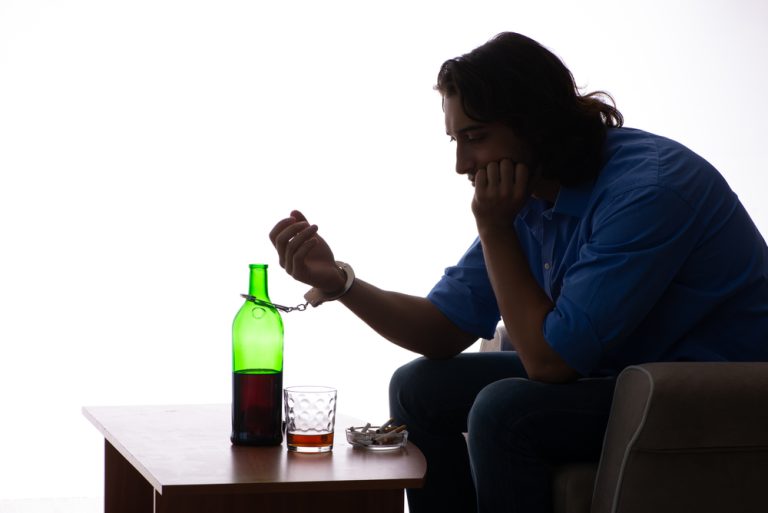
There are a number of issues that interfere with the timely diagnosis of alcohol poisoning, and delays can worsen the consequences. Alcohol also disrupts a person’s balance due to its effects on the brainstem and cerebellum. Not only does this cause a lack of physical coordination, which can cause falls or other accidents, but it also contributes to alcohol-induced nausea and vomiting. Symptoms and potential risks and complications of ingesting too much alcohol largely stem from the effect on the brain and blood vessels. Rapid fluid ingestion can be harmful in and of itself, as it can alters the fluid concentration in the body, potentially disrupting fluid and electrolyte balance.
And it turns out that when you use those things correctly, you can actually make a difference. You can actually get people who are struggling with addiction to a stable place, and you can keep them there for a lot longer than you might imagine. And when you pan out you just see a sea of your favorite colors and you see all of those cheering faces and shouting faces. Now imagine every last person in that panned out image is dead.
The good news is that it’s possible to survive alcohol intoxication if appropriate medical treatment is given promptly. Alcohol intoxication occurs from drinking too much alcohol in a short period of time. Any of these symptoms are signs that immediate medical attention is necessary. At this stage, a person’s BAC will range from 0.25 to 0.4 percent. Intoxication affects the way consent works in emergency medical situations. Normally, anyone experiencing a medical emergency must give permission to receive professional help.
Other signs are clammy skin, extremely low body temperature that might include pale or bluish skin and dulled responses, such as no gag reflex. It is dangerous to assume that an unconscious person will be fine by sleeping it off. One potential danger of alcohol overdose is choking on one’s own vomit. Alcohol at very high levels can hinder signals in the brain that control automatic responses, such as the gag reflex. With no gag reflex, a person who drinks to the point of passing out is in danger of choking on their vomit and dying from a lack of oxygen (i.e., asphyxiation). Even if the person survives, an alcohol overdose like this can lead to long-lasting brain damage.
- People cannot treat severe alcohol intoxication — or alcohol poisoning — at home.
- There is no way to reverse alcohol poisoning; medical intervention is needed to protect the individual’s life.
Hypoglycaemia occurs due to ethanol’s inhibition of gluconeogenesis, especially in children, and may cause lactic acidosis, ketoacidosis, and acute kidney injury. If you’ve drunk a dangerous amount of alcohol, doctors may “pump” your stomach. This keeps any leftover alcohol from getting into your bloodstream. Alcohol poisoning happens when there’s too much alcohol in your blood, causing parts of your brain to shut down. Take our free, 5-minute substance abuse self-assessment below if you think you or someone you love might be struggling with substance abuse. The evaluation consists of 11 yes or no questions that are intended to be used as an informational tool to assess the severity and probability of a substance use disorder.
